
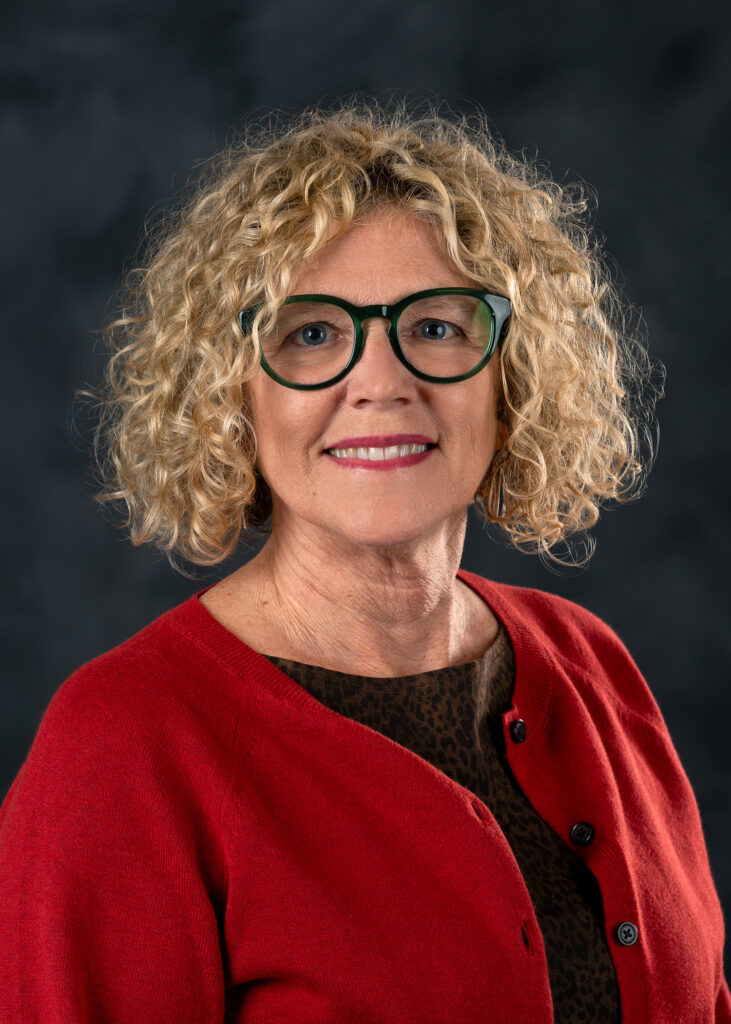
Kimberly Thomas-Cain
Instructional Designer
Kimberly “Kim” Thomas-Cain brings a diverse background in instructional design, training, and specialized education to the ASSUREd Safe team. Her career began in child welfare, where she trained first responders, law enforcement officers, educators, and foster parents in trauma‑informed practices, child protection protocols, and forensic interviewing. She conducted investigative interviews with child witnesses, served as an expert witness in court, and developed training that equipped professionals to recognize situations accurately, respond with confidence, and exercise sound decision‑making across multidisciplinary teams.
Kim later earned a Master of Arts in Instructional Design & Educational Technology from Florida Gulf Coast University, a milestone that deepened her expertise in instructional systems design and set the stage for large‑scale learning work.
She subsequently expanded into curriculum design and program leadership, creating large‑scale learning experiences in higher education and international education initiatives. Her instructional approach is grounded in constructivist principles—emphasizing hands‑on learning, real‑world authenticity, and opportunities for learners to apply knowledge in practice‑ready contexts. Through her work with Duke University’s national Talent Identification Program and the global Scratch Education Collaborative, grounded in Scratch, the visual programming language developed by the MIT Media Lab, she helped educators design learning that supports learner growth, meaningful problem‑solving, and the effective use of technology to extend human capability and enhance real‑world impact. She has collaborated extensively with subject matter experts to translate complex technical and research‑driven content into clear, actionable learning pathways.
In her role with ASSUREd Safe, Kim leads the design and development of standardized, research‑informed training that supports the program’s mission to educate, train, test, certify, and credential first responders in the safe and effective use of unmanned aircraft systems (UAS). Working within the FAA’s ASSURE Center of Excellence—a nationwide network of research institutions and industry partners—she translates operational and technical requirements into measurable learning experiences aligned with real‑world emergency response. Her work advances ASSUREd Safe’s national strategic goals: strengthening public safety, promoting readiness, and supporting first responders as they integrate UAS into missions such as disaster response, search and rescue, and hazardous‑environment operations.
